A weak platform breaks your redirects, hides your schema and locks your code. Wix is the strongest all-round pick, with built-in SEO tools and AI features, while Webflow suits teams that want clean code and full technical control.
Duda, Squarespace and Shopify win in narrower cases. Before you pick, read Victoria Olsina’s notes on structuring a Web3 site for SEO.
How these website platforms were ranked for SEO

A website platform for SEO is the system that decides what Google and LLM crawlers can read, how fast pages load and how much of your site structure you can change.
The ranking is for founders and CMOs who need growth from Google, ChatGPT and other LLM-powered search surfaces. That means four criteria:
- Technical control. Access to code, redirects, canonical tags and schema.
- Speed and Core Web Vitals. Slow pages lose rankings and patience.
- Multilingual support. Proper hreflang, not a translation widget bolted on.
- AI search readiness. Clean, structured output that answer engines can parse and cite.
Here is what breaks first on a weak platform: redirects. You rename a product page, the old URL returns a 404, and the links you earned stop counting.
Next comes schema. If you cannot add structured data, you are invisible in places where your competitors are visible. Victoria Olsina covers that failure in is your website invisible to AI.
Takeaway: judge a platform on what it lets you fix, not on how its templates look.
Quick summary of the five picks
- Wix: built-in SEO tools and AI features in one place. Best Overall
- Webflow: clean code and deep technical controls. Best for Technical Control
- Duda: hreflang support and strong Core Web Vitals. Best for Multilingual
- Squarespace: solid blogging, marketing and SEO features. Best for Blogging
- Shopify: strong product page SEO and a large app ecosystem. Best for Ecommerce
Takeaway: most Web3 and SaaS sites land on Wix or Webflow; the other three solve specific problems.
At a glance: platforms compared

| Rank | Platform | Pricing | Best for | Standout | Caveat |
|---|---|---|---|---|---|
| 1 | Wix | See vendor | Fast launches with built-in SEO | Comprehensive built-in SEO tools and AI-powered optimisation | Renewal prices jump; advanced SEO needs paid plans |
| 2 | Webflow | See vendor | Designers and developers | Clean, semantic HTML and advanced technical SEO controls | Steeper learning curve; higher cost at scale |
| 3 | Duda | See vendor | Multilingual businesses | Native multilingual support with hreflang | No free plan; smaller app ecosystem |
| 4 | Squarespace | See vendor | Blogging-led sites | Advanced features for blogging, marketing and SEO | Confirm technical controls before committing |
| 5 | Shopify | See vendor | Product page SEO | Automatic structured data for products | Limited blogging; rigid URL structure |
Standouts and caveats draw on ZDNET’s 2026 review of website builders for SEO and Experte’s website builder rankings.
Takeaway: read the caveat column first. That is where the migration pain hides.
1. Wix: best all-round platform for SEO
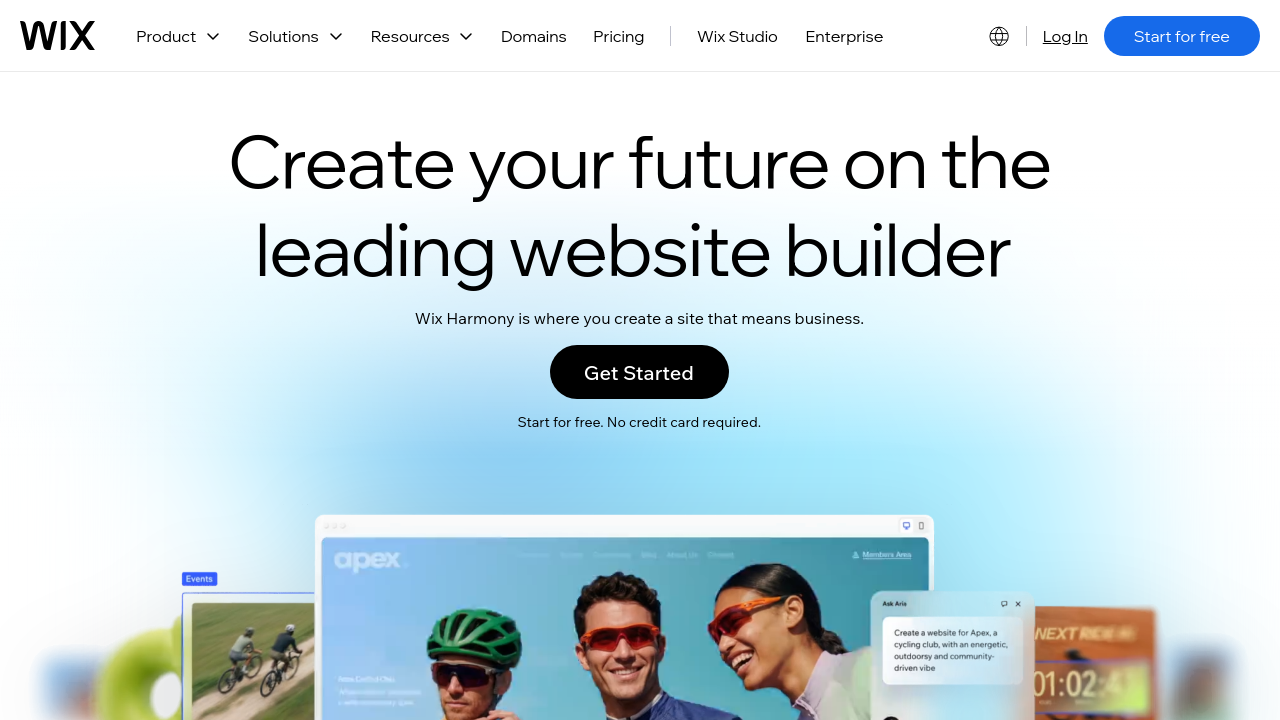
Wix is the platform to hand to a founder who needs a credible, indexable site this month.
It ranks first because it offers comprehensive built-in SEO tools, AI-powered optimisation features and a generous free plan.
Reddit users in r/nocode also recommend Wix for quick, SEO-friendly sites.
What it does well:
- Built-in SEO settings without plugins.
- AI features that speed up metadata and setup.
- A free plan for testing structure before you pay.
Who it is for: early-stage Web3 and SaaS teams without a developer on the marketing side.
Caveat: renewal prices jump significantly, and advanced SEO requires paid plans. Template switching is also limited, so choose your layout carefully.
Takeaway: pick Wix for speed to launch, then budget for the paid tier you will actually need.
2. Webflow: best for technical SEO control
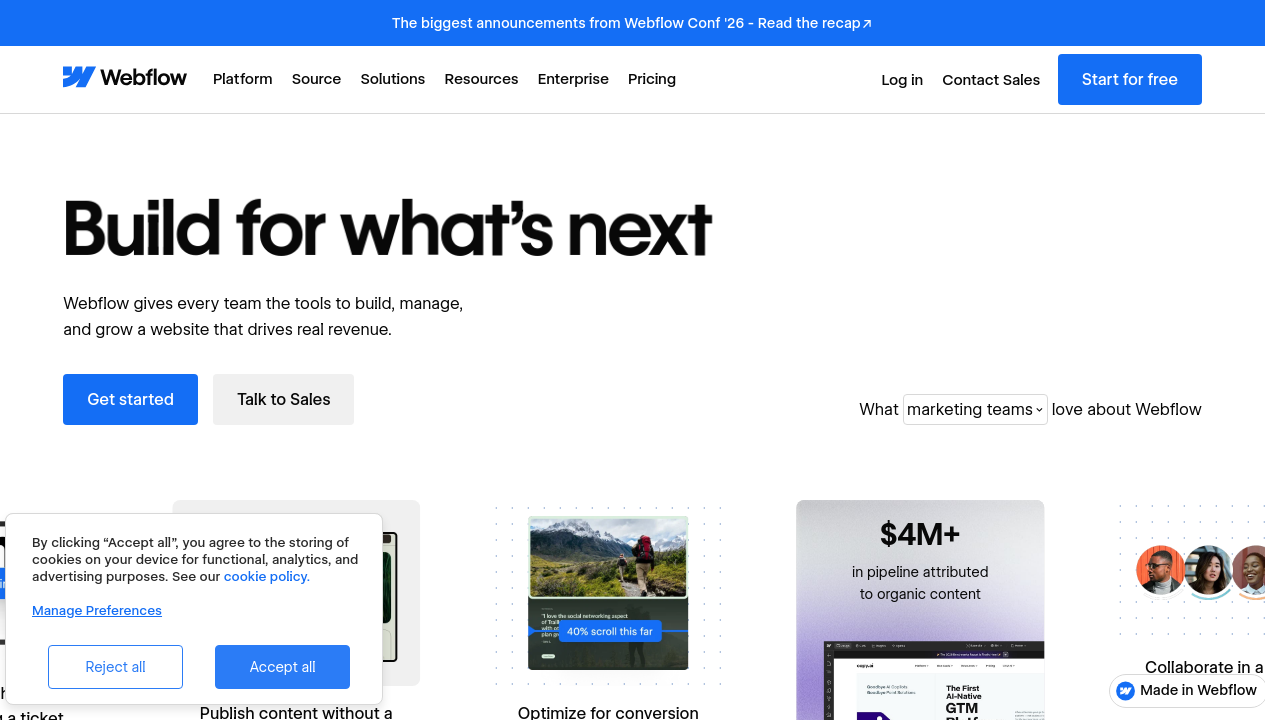
Webflow is the pick for teams that want to own every tag on the page.
Webflow stands out for its clean, semantic HTML output, advanced technical SEO controls and AI-powered SEO audit panel. Clean markup matters for LLM retrieval as much as for Google. Victoria Olsina’s guide to AEO strategy and getting found in AI search explains why.
Key features:
- Semantic HTML that crawlers parse cleanly.
- Granular control over technical SEO settings.
- A built-in audit panel for spotting issues.
Who it is for: designers and developers, and SaaS teams with a product-grade design system.
Caveat: a steeper learning curve and higher cost at scale. Basic plans also lack built-in ecommerce.
Takeaway: choose Webflow when someone on your team will actually use the controls.
3. Duda: best for multilingual and speed
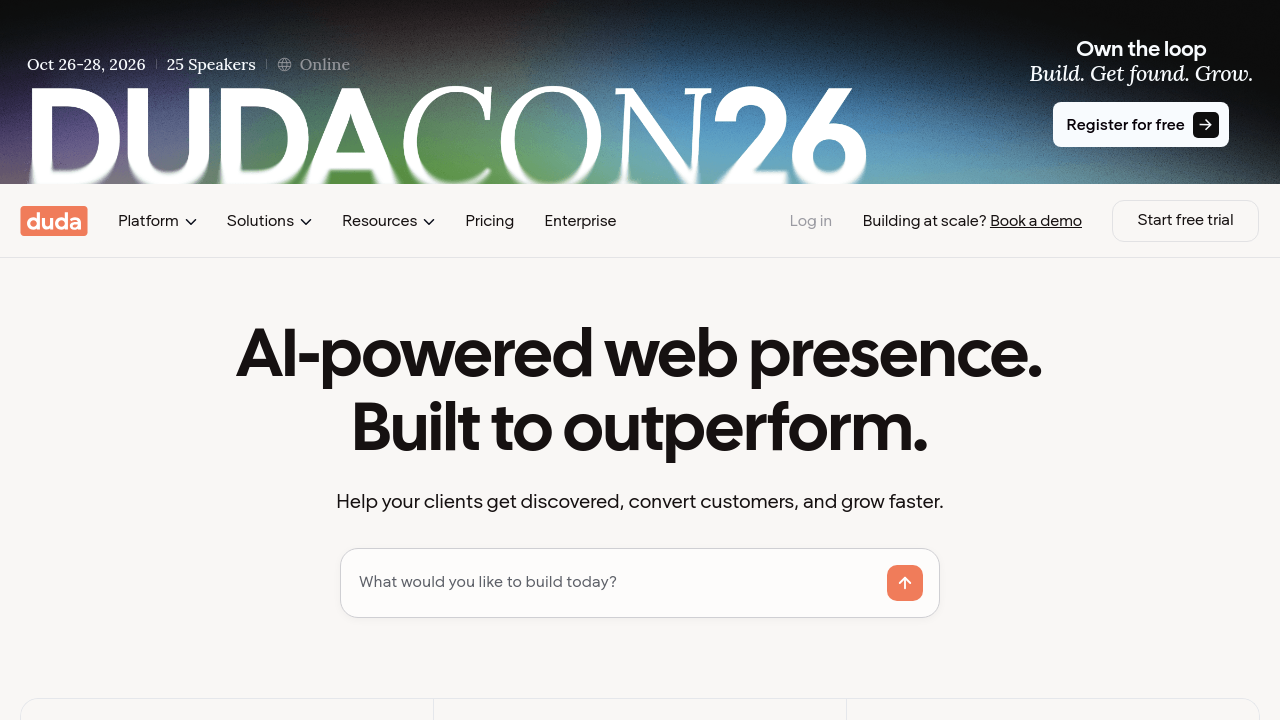
Duda is the quiet performer for businesses selling into several countries.
ZDNET credits it with industry-leading Core Web Vitals scores, native multilingual support with hreflang and an AI-powered SEO overview dashboard.
That matters for UK firms targeting the EU, the US and Asia from one domain. Get hreflang wrong and Google shows your German page to London searchers. Get it right and each market sees its own version.
Who it is for: crypto, FinTech and SaaS brands with genuine multi-market demand. If that is you, Victoria Olsina’s SEO for blockchain, crypto and Web3 page covers the wider work.
Caveat: no free plan, a smaller app ecosystem than Wix, and ecommerce relies on third-party tools.
Takeaway: pick Duda when language versions are a requirement, not a nice-to-have.
4. Squarespace: best for blogging-led sites
Squarespace suits founders whose growth plan runs on articles.
Experte describes it as well-equipped with advanced features for blogging, marketing and SEO. Its ecommerce side is also capable for physical products.
That makes it a reasonable home for a content-first brand. Content still needs a clear hierarchy, which Victoria Olsina covers in B2B SEO website structure.
Who it is for: solo founders and small teams publishing regularly.
Caveat: check redirect handling, schema options and code access yourself before committing. Those controls decide how far you can push technical SEO later.
Takeaway: Squarespace works for publishing; verify the technical ceiling first.
5. Shopify: best for product-led SEO

Shopify is built to sell products, and its SEO reflects that.
ZDNET lists strong built-in ecommerce SEO, a massive SEO app ecosystem and automatic structured data for products.
Who it is for: brands selling hardware wallets, merch or physical goods.
Caveat: limited blogging, a rigid URL structure and a higher starting price. For a content-led Web3 protocol or SaaS product, those limits bite fast.
Takeaway: choose Shopify for catalogues, not for thought leadership.
How to choose

Match the platform to who will run it and where you sell.
Developer-led teams should choose Webflow, because the technical controls only pay off when someone uses them. Speed-to-launch teams should choose Wix and fix structure as they grow.
Multilingual teams should choose Duda for native hreflang. Web3, crypto, SaaS and FinTech brands planning heavy content should weigh Squarespace, and anyone with a product catalogue should look at Shopify.
Takeaway: the right platform is the one your team can maintain for three years.
Pick the platform, then fix the fundamentals

A platform choice is a decision you make once. Technical SEO is work you keep doing: redirects, schema, speed and structure for both Google and LLM search.
Planning a switch? Start with website migration SEO best practices, then see how real website migrations were handled.
FAQ: Frequently Asked Questions
What is SEO in website building?
SEO in website building means setting up a site so search engines and AI systems can crawl, understand and rank it. That covers URL structure, redirects, metadata, schema, page speed and language versions.
What is the best platform to create my own website?
For most founders without developers, Wix is the quickest route to an indexable site. If you have design or development skills, Webflow gives more control. Choose based on who maintains it.
Is web design still worth it in 2026?
Yes. Design shapes structure, speed and how clearly pages read to Google and LLMs. A beautiful site with broken hierarchy still underperforms, so design and technical SEO should be treated as one job.
Does the platform matter more than content for SEO?
No. The platform sets the ceiling. Content decides whether you reach it. A strong platform cannot rescue thin pages, but a weak one can block good content from ranking or being cited.
Can I migrate platforms without losing rankings?
Yes, if you map every URL, keep redirects one-to-one and monitor crawl errors afterwards. Read what a platform migration does to rankings before you switch anything.
Choose a platform built for search
Victoria Olsina advises Web3 founders on platform choice, technical SEO and AI search visibility through her crypto SEO and AI SEO and GEO services. Book a free strategy session before you commit to a build.